
This week we read about how the tabernacle was completed, the priests ordained, and a lot of instructions for the proper worship of God and holy living.
Key people this week:
- Moses
- Bezalel and Oholiab
- Aaron and his sons Nadab, Abihu, Eleazar, and Ithamar
Key events this week:
- Building the tabernacle and all its furnishings
- Ark of the Covenant
- Table for the bread of the presence
- Lampstand
- Altar of incense
- Altar of burnt offerings
- Priestly vestments
- Tabernacle is erected and its furnishings and equipment are installed
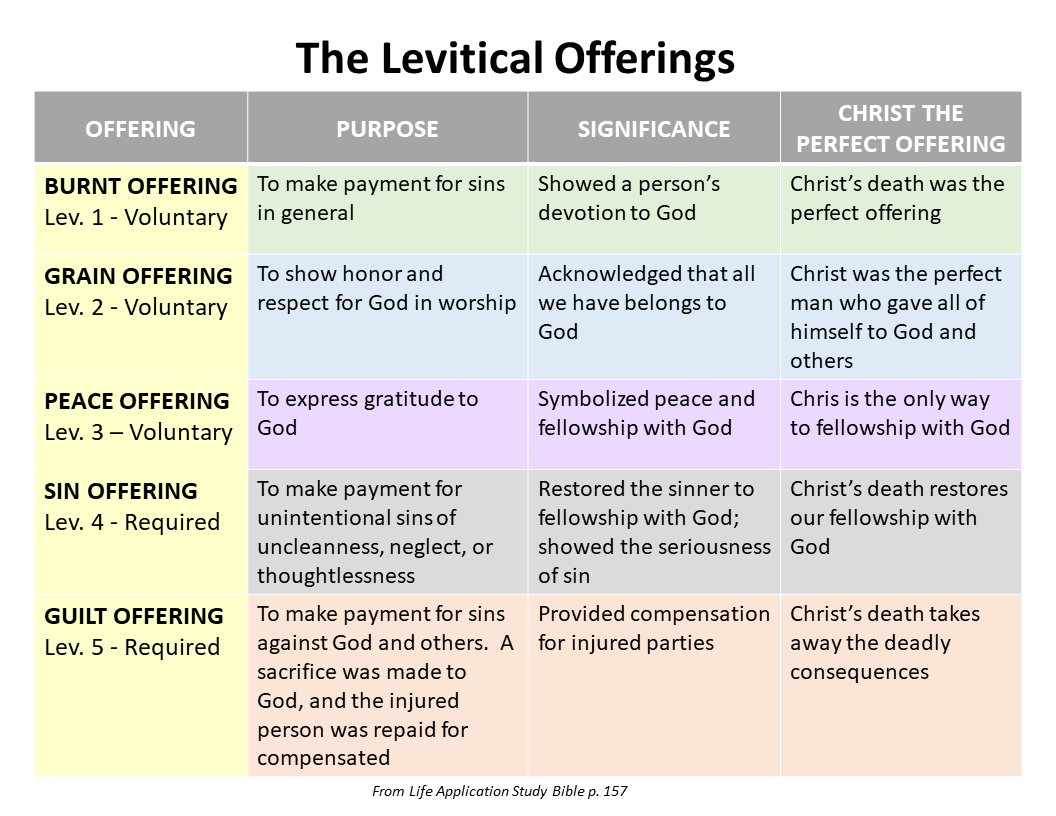
- Instructions for the three voluntary offerings and two sin offerings (sin and guilt)
- Aaron and his sons are ordained for the priesthood
- Two of Aaron’s sons, Nadab and Abihu, offered unholy fire (ignored God’s commands) and were burned to death
- God gives instructions for clean and unclean food and animals
- God gives instructions for the purification of women after childbirth, skin diseases, lepers, leprous homes, bodily discharges.
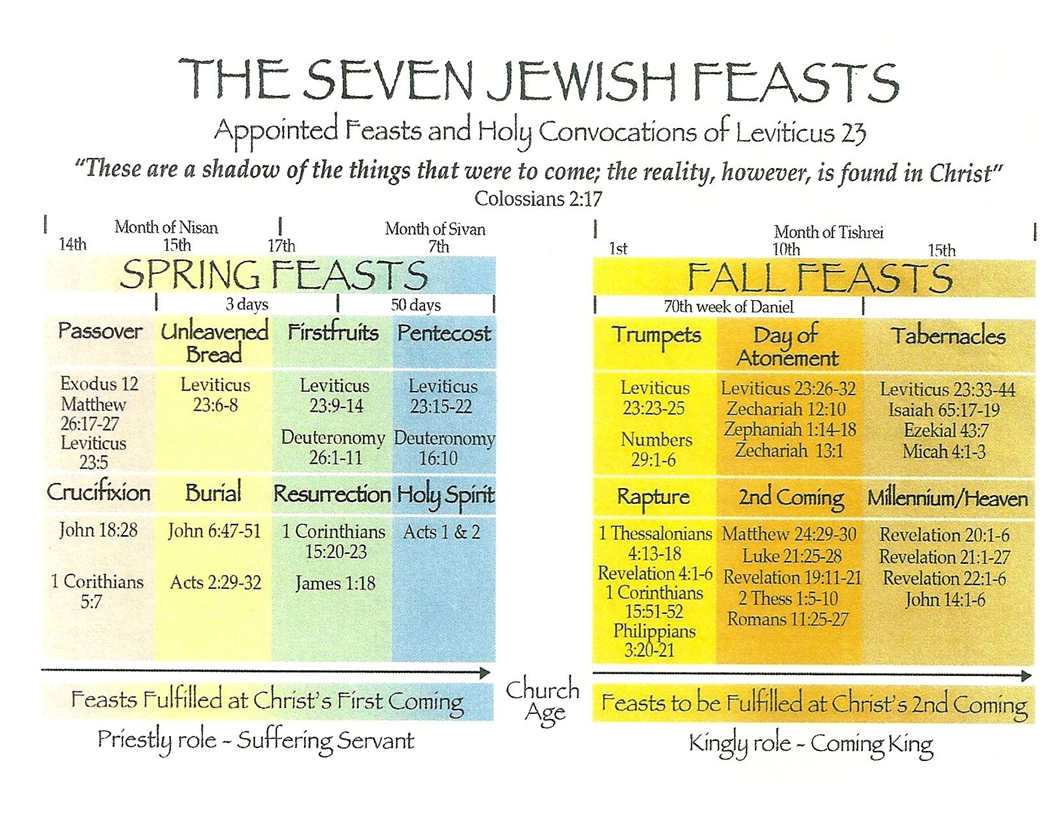
- God gives instructions for the Day of Atonement
- God gives instructions about blood, not eating it, the importance of blood.
- God gives instructions on sexual relations.
Special Note
Leviticus 17:10-14 – eating blood is prohibited. When Paul met with the leaders of the Jerusalem Council in Acts 15, though they agreed that the Gentiles did not have to follow Jewish law, this particular command was one that also held for the Gentiles along with abstaining from what has been sacrificed to idols, from what has been strangled, and from sexual immorality.
Since those four things were named by the Jerusalem Council, they are clearly very important for us to obey today. Most of us probably wouldn’t even think about drinking blood, don’t know if the animals whose meat we eat have been strangled (although we could probably find out if we tried), but sexual acts prohibited in Leviticus 18 are offensive to God for all people in all times and places.
Note that God says because of these practices, the land is vomiting out the people that currently live in the Promised Land.
 A Pilgrim's Journey