Books of the Bible Overviews

Book of Numbers Overview

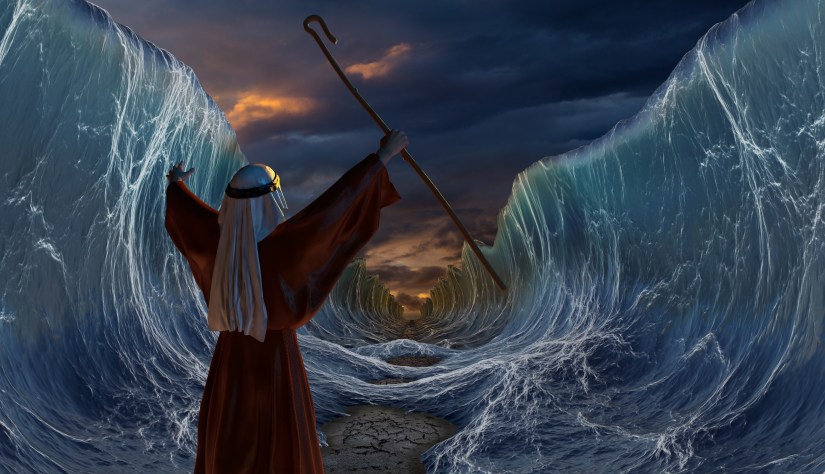
The Book of Numbers is the fourth book of the Hebrew Bible (Christian Old Testament), and the fourth of five books of the Jewish Torah (the Law, Pentateuch).  Numbers is primarily about the wanderings in the wilderness of the Hebrew people as a result of their lack of faith in God. 

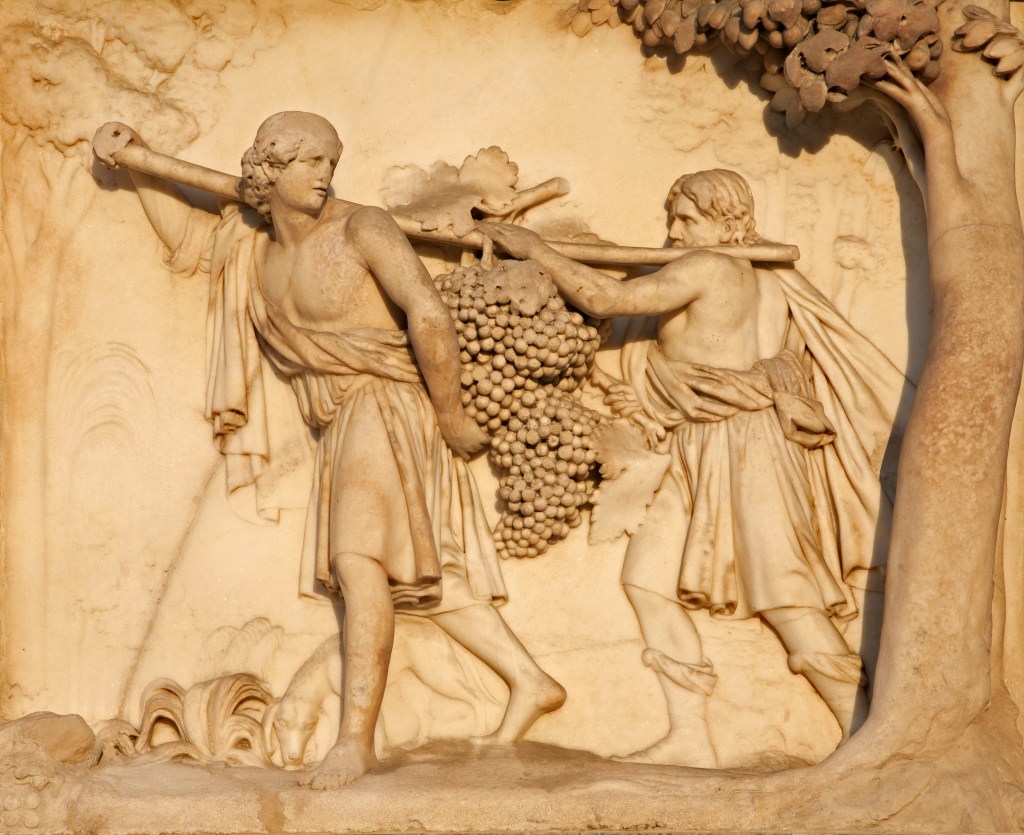
There are two important narratives of distrust and disobedience.  The first is the story of the 12 spies that went into the land of Canaan for 40 days to suss it out.   All of the spies said that it was a good land, flowing with milk and honey.  However, there were giants in the land, as well.  Two of the spies, Joshua and Caleb, urged the people to go in and conquer the land, assuring them that God would give them the victory.  Ten of the spies were afraid and convinced the people not to go in.  As a result, God pronounced that they would wander in the wilderness for 40 years and all of that generation would all die in the wilderness (except Joshua and Caleb) and would not see the Promised Land because they did not trust God.  

The other important disobedient act was committed by Moses of all people.  God told him to command the rock to yield its water but Moses struck the rock with his stick instead.  As a result, God would not let Moses enter the Promised Land.  He eventually did get to see it, but did not get to enter.

Paul says in 1 Corinthians 10:11:  “These things happened to them as examples and were written down as warnings for us, on whom the culmination of the ages has come.”

Key Facts About the Book of Numbers

  • Author: Moses (traditionally)
  • Date Written:  c. 1445 BC – 1400 BC
  • Location:  Borders of Canaan
  • Theme:  Census, History, and Disobedience

High-Level Outline of Numbers

  1. In the wilderness of Sinai
    1. The first census (1)
    1. Organization of the camp and marching order (2)
    1. Responsibilities and census of the Levitical tribes (3-4)
    1. Unclean persons, restitution for wrongs, unfaithfulness (5)
    1. The Nazarites and the priestly benediction (6)
    1. Offerings of tribal leaders and voice of God above the mercy seat (7)
    1. The lampstand and consecration of the Levites (8)
    1. Passover is celebrated (9)
  2. Departure from Sinai
    1. Silver trumpets and leaving Sinai (10)
    1. People complained of their misfortunes in the desert (11)
    1. Aaron and Miriam are jealous if Moses (12)
    1. Spies sent into Canaan, the people rebel = 40 years wandering (13-14)
  3. Wandering in the wilderness
    1. Offerings, sabbath violations and garments (15)
    1. Korah’s revolt (16)
    1. Budding of Aaron’s rod (17)
    1. Priests, Levites and the red heifer (18-19)
    1. Miriam dies, Moses strikes the rock, Edom refuses passage, Aaron dies (20)
    1. Death of Aaron, the bronze serpent, Kings Sihon and Og defeated (21)
    1. Balaam and the donkey (22-24)
    1. Israelites commit idolatry by worshipping Baal of Peor (25)
    1. Another census (26)
    1. Daughters of Zelophehad inherit and Joshua appointed Moses’ successor (27)
    1. Offerings and festivals, vows of men and women (30)
  4. Israel begins the conquest of the Promised Land
    1. Israel wars against Midian and disposition of booty (31)
    1. Israel conquers the land west of the Jordan River (32)
    1. Review of the stages of Israel’s journey from Egypt (33)
    1. God gives Moses boundaries of the Promised Land (34)
    1. Levites given cities to live in and cities of refuge (35)
    1. Specifications for marriage of female heirs (36)

Key Verses in Numbers

Numbers 6:24-26 – The priestly blessing:  24“The Lord bless you and keep you; 25 the Lord make his face to shine upon you and be gracious to you; 26 the Lord lift up his countenance upon you and give you peace.”

Numbers 12:6-8:  “When a prophet of the LORD is among you, I reveal myself to him in visions, I speak to him in dreams. But this is not true of my servant Moses; he is faithful in all my house. With him I speak face to face, clearly and not in riddles; he sees the form of the LORD. Why then were you not afraid to speak against my servant Moses?”

Numbers 14:18“The Lord is slow to anger and abounding in steadfast love, forgiving iniquity and transgression, but by no means clearing the guilty, visiting the iniquity of the parents upon the children to the third and the fourth generation.”

Numbers 14:30-34:  “Not one of you will enter the land I swore with uplifted hand to make your home, except Caleb son of Jephunneh and Joshua son of Nun. As for your children that you said would be taken as plunder, I will bring them in to enjoy the land you have rejected. But you — your bodies will fall in this desert. Your children will be shepherds here for forty years, suffering for your unfaithfulness, until the last of your bodies lies in the desert. For forty years — one year for each of the forty days you explored the land — you will suffer for your sins and know what it is like to have me against you.”

Notes

Second quail story:  Back in Exodus 16, we read that God gave the people manna from heaven in the morning and quail in the evening.  Then in Numbers 11, the people complain because they have no meat to eat and the narrative of how God gives them quail is quite detailed.  What’s the deal?  This article on The Torah website provides some interesting alternative answers to why there is a double quail narrative from various famous rabbis through the centuries.  The one the author favors (and so do I) is one from Rabbi Bekhor Shor who says that manna was given in Exodus, but not the quail.  However, since Moses was discussing the manna, he mentioned the quail, as well.  Here’s the commentary if you are interested in the alternative explanations:  https://www.thetorah.com/article/the-double-quail-narratives-and-bekhor-shors-innovative-reading.
Books of the Bible Overviews

Book of Leviticus Overview

Key Facts About the Book of Leviticus

  • Author:  Moses
  • Date Written:  1445 – 1400 BC
  • Original Audience:  People of Israel
  • Geographical Location:  Sinai and Canaan
  • Theme:  Instructions for Holy Living

High-Level Outline of Leviticus

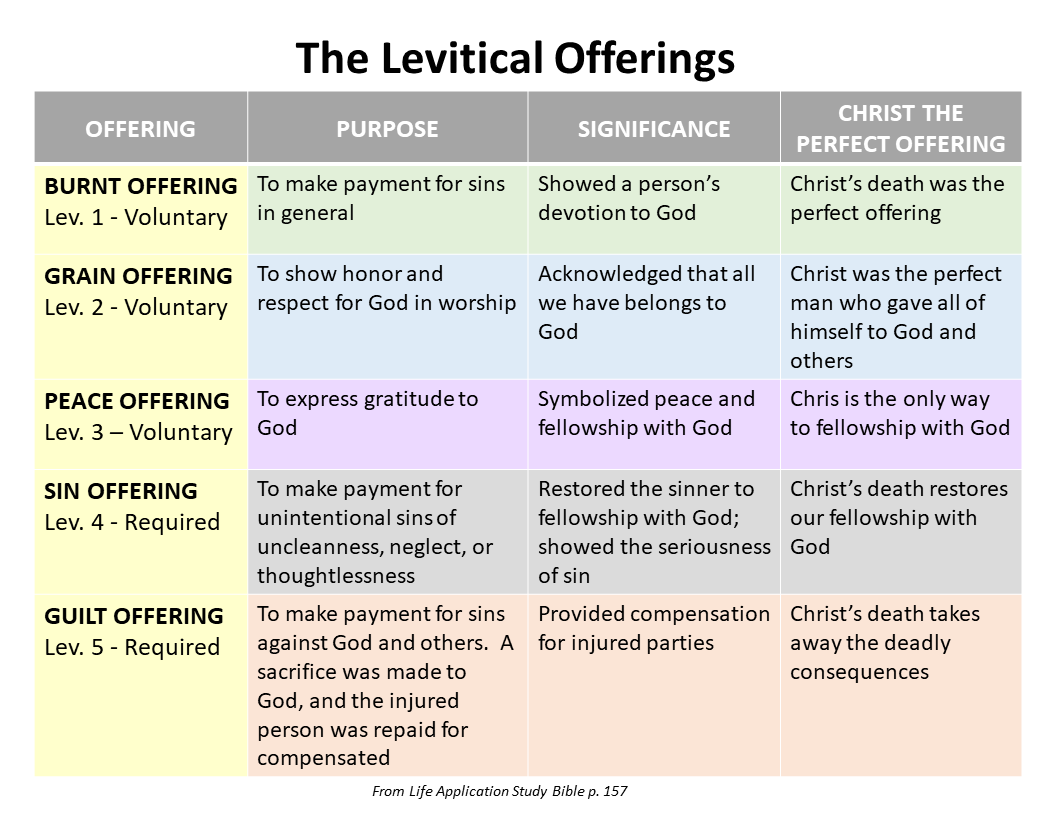
  1. Laws for Sacrifices (1-7)
    • Burnt Offering
    • Grain Offering
    • Peace Offering
    • Sin Offering
    • Guilt Offering
  2. Roles and Responsibilities of Priests (8-10)
  3. Cleanness and Uncleanness (11-15)
  4. The Day of Atonement (16)
  5. The Sanctity of Blood (17)
  6. Moral Laws (18-20)
  7. Priestly Behavior (21-22)
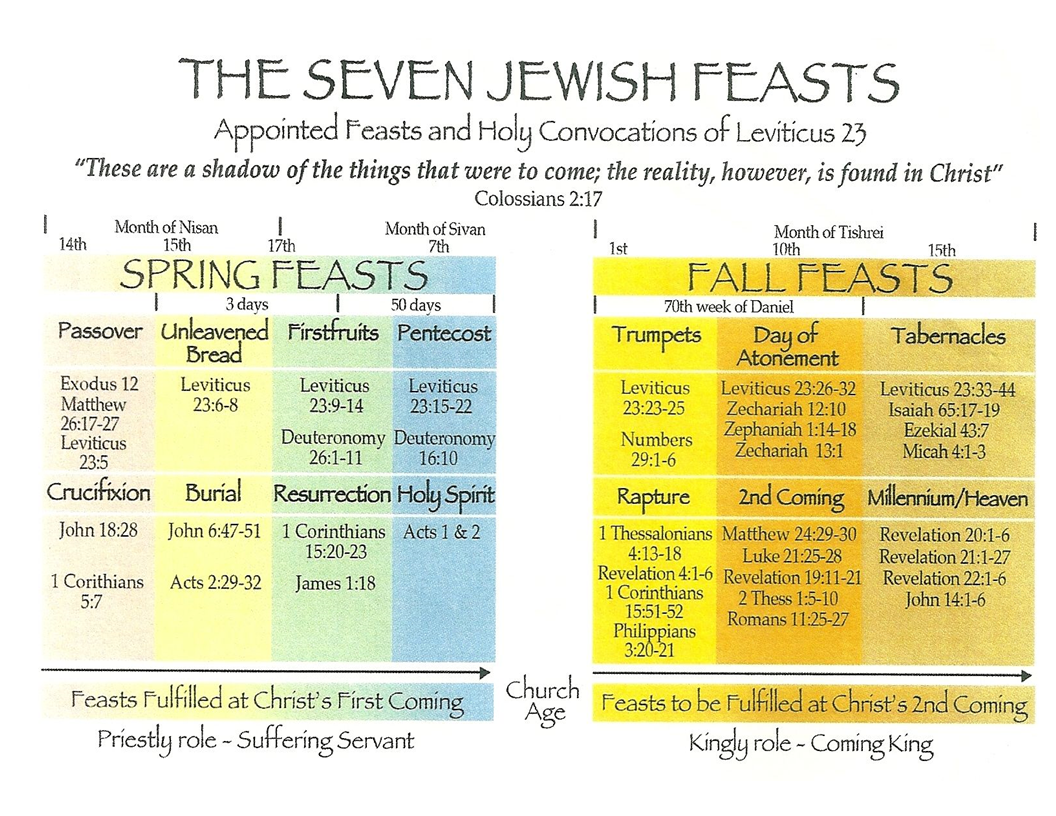
  8. Festivals and Holy Days (23-25)
  9. Promises and Warnings (26-27)

Key Verses in Leviticus

Leviticus 11:45  “I am the Lord, who brought you up out of Egypt to be your God; 

therefore be holy, because I am holy.”    

Leviticus 17:11  For the life of a creature is in the blood, and I have given it to you to make atonement for yourselves on the altar; it is the blood that makes atonement for one’s life.”

Leviticus 19:18  “You shall not take vengeance or bear a grudge against the sons of your own people, but you shall love your neighbor as yourself: I am the Lord.”  [This is the verse Jesus quoted when he said that the 2nd greatest commandment is to love your neighbor as yourself.]

Leviticus 20:7-8 “Consecrate yourselves therefore, and be holy; for I am the Lord your God.  Keep my statutes, and observe them; I am the Lord; I sanctify you.”

Books of the Bible Overviews

Book of Exodus Overview

Key facts about the Book of Exodus:

  • Author:  Moses
  • Date Written:  1450 – 1410 BC
  • Original Audience:  People of Israel
  • Geographical Location:  Egypt and Canaan
  • Theme:  Deliverance from slavery

High-Level Outline of Exodus:

  1. Slavery in Egypt (1)
  2. Moses (2-7)
  3. The Plagues (7-13)
  4. The Exodus (14-18)
  5. The Law (19-24)
  6. Tabernacle and Worship (25-40)

Key Verses in Exodus

Exodus 3:14

God said to Moses, “I am who I am.” He said further, “Thus you shall say to the Israelites, ‘I am has sent me to you.’” (Note that this is what Jesus quoted in the New Testament that indicated that he claimed to be God.)

Exodus 20:1-17– The Ten Commandments

1And God spoke all these words:
“I am the Lord your God, who brought you out of Egypt, out of the land of slavery.
“You shall have no other gods before me.
“You shall not make for yourself an image in the form of anything in heaven above or on the earth beneath or in the waters below. You shall not bow down to them or worship them; for I, the Lord your God, am a jealous God, punishing the children for the sin of the parents to the third and fourth generation of those who hate me, but showing love to a thousand generations of those who love me and keep my commandments.
“You shall not misuse the name of the Lord your God, for the Lord will not hold anyone guiltless who misuses his name.
“Remember the Sabbath day by keeping it holy. Six days you shall labor and do all your work, 10 but the seventh day is a sabbath to the Lord your God. On it you shall not do any work, neither you, nor your son or daughter, nor your male or female servant, nor your animals, nor any foreigner residing in your towns. 11 For in six days the Lord made the heavens and the earth, the sea, and all that is in them, but he rested on the seventh day. Therefore the Lord blessed the Sabbath day and made it holy.
12 “Honor your father and your mother, so that you may live long in the land the Lord your God is giving you.
13 “You shall not murder.
14 “You shall not commit adultery.
15 “You shall not steal.16 “You shall no
t give false testimony against your neighbor.
17 “You shall not covet your neighbor’s house. You shall not covet your neighbor’s wife, or his male or female servant, his ox or donkey, or anything that belongs to your neighbor.”

Books of the Bible Overviews

Book of Genesis Overview

Key facts about the Book of Genesis

  • Author:  Moses
  • Date Written:  1450 – 1410 BC
  • Original Audience:  People of Israel
  • Geographical Location:  Middle East
  • Purpose: To record God’s creation of the world and the beginning of the Hebrew people (Israelites), whom God chose to set apart to worship Him and to be a witness for him in the world.
  • Note:  the names of people in the Bible are descriptive of who they are.  God sometimes renamed people – Abram to Abraham, Sarai to Sarah, Jacob to Israel.  That is where the name Israel comes from.

High-Level Outline of Genesis

  1. Story of Creation (1:1-2:3)
  2. The Fall and Repercussions (2:4-5:32)
  3. The Flood and its Aftermath (6:1-11:32
  4. The Story of Abraham (12:1-25:18)
  5. The Story of Isaac (25:19-28:9)
  6. The Story of Jacob, Rachel and Leah, and Jacob’s 12 sons (28:10-36:43)
  7. The Story of Joseph (one of Jacob’s 12 sons) and how Jacob’s whole family ended up in Egypt

Key Verses in Genesis

Genesis 2:24 God instituted the marriage relationship. “That is why a man leaves his father and mother and is united to his wife, and they become one flesh.”  Note that the word translated “wife” in this verse is אִשָּׁה, phonetically pronounced “ish-shaw.” This word means woman, wife, female.  In other words, the same exact word for wife is the same word for female.  This is true of the Greek word for woman/wife in the New Testament, as well.  Context is the key to understand whether the passage means “woman” or “wife”.  The important point is, however, that because the same word is used for both, it means that a wife is always a biological female according to God’s perfect design.

HEBREW
ishshah: woman, wife, female
Original Word: אִשָּׁה
Part of Speech: Noun Feminine
Transliteration: ishshah
Phonetic Spelling: (ish-shaw’)
Definition: woman, wife, female
(from Biblehub.com)
GREEK
guné: a woman
Original Word: γυνή, αικός, ἡ
Part of Speech: Noun, Feminine
Transliteration: guné
Phonetic Spelling: (goo-nay’)
Definition: a woman
Usage: a woman, wife, my lady.

Genesis 3:20 – Hebrew words are often much more meaningful than we realize and lose some of that meaning when translated into English – Adam and Eve, for example. (from Strong’s Concordance on Biblehub.com)

The Hebrew word translated Adam means “man, mankind”

Original Word: אָדָם
Part of Speech: Noun Masculine
Transliteration: adam
Phonetic Spelling: (aw-dawm’)
Definition: man, mankind

The Hebrew word translated Eve means “’life’, the first woman”

Original Word: חַוָּה
Part of Speech: Proper Name Feminine
Transliteration: Chavvah
Phonetic Spelling: (khav-vaw’)
Definition: “life”, the first woman

Genesis 9:5-6 God demands an accounting for taking anyone’s life.  God makes it abundantly clear in these verses that no one is to take another life.  Since he also has said that he personally has knit us together in our mother’s wombs, that would include human fetuses.  “For you created my inmost being; you knit me together in my mother’s womb.  I praise you because I am fearfully and wonderfully made; your works are wonderful, I know that full well. My frame was not hidden from you when I was made in the secret place, when I was woven together in the depths of the earth. Your eyes saw my unformed body; all the days ordained for me were written in your book before one of them came to be.” (Psalm 139:13-16)

Genesis 9:7-17 God’s Covenant with Noah – the rainbow.  God covenants with Noah never again to destroy all living things by flood.  This is a unilateral covenant – God requires nothing of Noah.   The sign of the covenant God gives is the rainbow.  So whenever you see a rainbow, remember what it truly stands for.   

Genesis 12:1-3 God makes a promise to Abram.  Here God calls Abram and tells him to leave everything and go to a country that God will show him.  God makes a promise to Abram that he will make him into a great nation and bless him and that all the peoples of the earth will be blessed through him.  God also says that he will bless whoever blesses Abram and curse whoever curses Abram.  This promise has never been rescinded and is in effect today.  

Clearly God is alluding to the future Messiah, Jesus.  But he has blessed all the peoples of the earth through the Jews in other significant ways through their contributions to medicine, science, technology, the arts, and every category of human endeavor.   (For specifics, see https://www.jinfo.org/.)  

Genesis 45:5-8a It was God who sent Joseph to Egypt.  “Then Joseph said to his brothers, “Come close to me.” When they had done so, he said, “I am your brother Joseph, the one you sold into Egypt! And now, do not be distressed and do not be angry with yourselves for selling me here, because it was to save lives that God sent me ahead of you.  For two years now there has been famine in the land, and for the next five years there will be no plowing and reaping.  But God sent me ahead of you to preserve for you a remnant on earth and to save your lives by a great deliverance. “So then, it was not you who sent me here, but God.”

Genesis 49:10-12 Jacob’s blessing of his son, Judah, is a messianic prophecy about the Messiah being from the tribe of Judah.

10 The scepter will not depart from Judah,
    nor the ruler’s staff from between his feet,
until he to whom it belongs shall come
    and the obedience of the nations shall be his.
11 He will tether his donkey to a vine,
    his colt to the choicest branch;
he will wash his garments in wine,
    his robes in the blood of grapes.
12 His eyes will be darker than wine,
    his teeth whiter than milk.